

What it is, who needs to file , why it matters, the best software to use – and the costly mistakes to avoid
What Is a US Tax Filing?
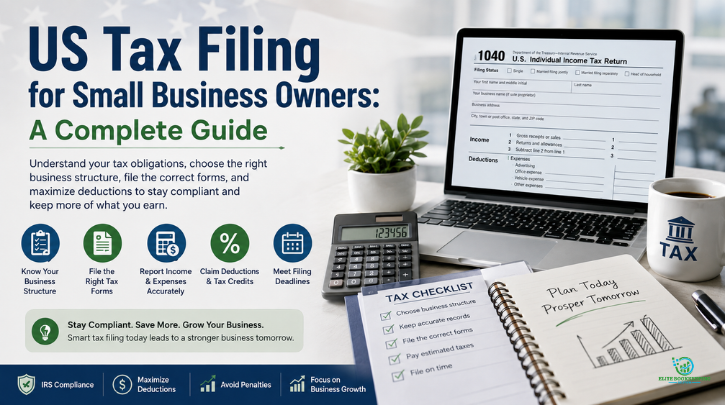
US tax filing is the annual process of submitting a formal tax return to the Internal Revenue Service (IRS) — the federal agency responsible for tax collection in the United States. When you file taxes, you report your total income, calculate what you owe the government, claim any deductions or credits, and determine whether you get a refund or owe additional money.
The primary form most individuals use is the Form 1040, also called the “U.S. Individual Income Tax Return.” It covers wages, self-employment income, investment gains, and other earnings from the previous calendar year.
Key Dates to Remember
April 15 is the standard deadline to file your federal income tax return each year. If you need more time, you can request an automatic 6-month extension — but note that an extension to file is not an extension to pay any taxes owed.

Who Needs to File a US Tax Return?
Not everyone is legally required to file a federal tax return, but most working Americans and many non-citizens are. Whether you must file depends on your income, filing status, and age.
1. You likely need to file if you are:
A US citizen or resident alien with income above the standard deduction threshold for your filing status. For the 2024 tax year, the thresholds are roughly $14,600 (single), $29,200 (married filing jointly), and $21,900 (head of household).
2. Special situations that require filing:
Self-employed individuals with net earnings of $400 or more must file regardless of total income. Similarly, if you had wages from an employer and taxes were withheld, you should still file — because you may be owed a refund.
Non-Citizens & International Workers
If you are a non-US citizen working in the United States (on an H-1B, L-1, OPT, or other visa), you may still be required to file a US federal tax return. Resident aliens follow the same rules as citizens. Non-resident aliens use Form 1040-NR.
Why Is US Tax Filing Important?
Tax filing is far more than a legal obligation — it is a critical financial activity that affects your refund, your credit, your immigration status, and your future. Here’s why it matters:
1. It’s the Law
Failing to file when required can result in severe penalties from the IRS — including late filing fees (up to 25% of unpaid tax), interest charges, and in extreme cases, criminal prosecution for tax evasion.
2. You May Be Owed a Refund
If your employer withheld too much tax from your paycheck throughout the year, you are entitled to that money back. The only way to claim it is by filing a return. Millions of Americans leave refund money unclaimed simply by not filing.
3. Access to Tax Credits & Deductions
Filing unlocks access to valuable tax credits such as the Earned Income Tax Credit (EITC), Child Tax Credit, education credits, and retirement contribution deductions — all of which can significantly reduce your tax bill or increase your refund.
4. Proof of Income for Major Life Events
Your filed tax returns serve as official proof of income when applying for a mortgage, car loan, student aid (FAFSA), or a rental apartment. Lenders and landlords routinely request tax transcripts.
5. Immigration & Visa Benefits
For immigrants seeking green cards or US citizenship, having a clean and consistent tax filing history is often a legal requirement and a key part of demonstrating “good moral character” during the naturalization process.
Pro Tip
Even if you earn below the filing threshold, you should still consider filing — especially if you qualify for refundable credits like the EITC, which can result in a payment to you even if you owe nothing.
How to File Your US Taxes — Step by Step
The tax filing process can seem daunting, but when broken into clear steps, it becomes very manageable — especially with the right software or guidance.
- Gather All Income Documents
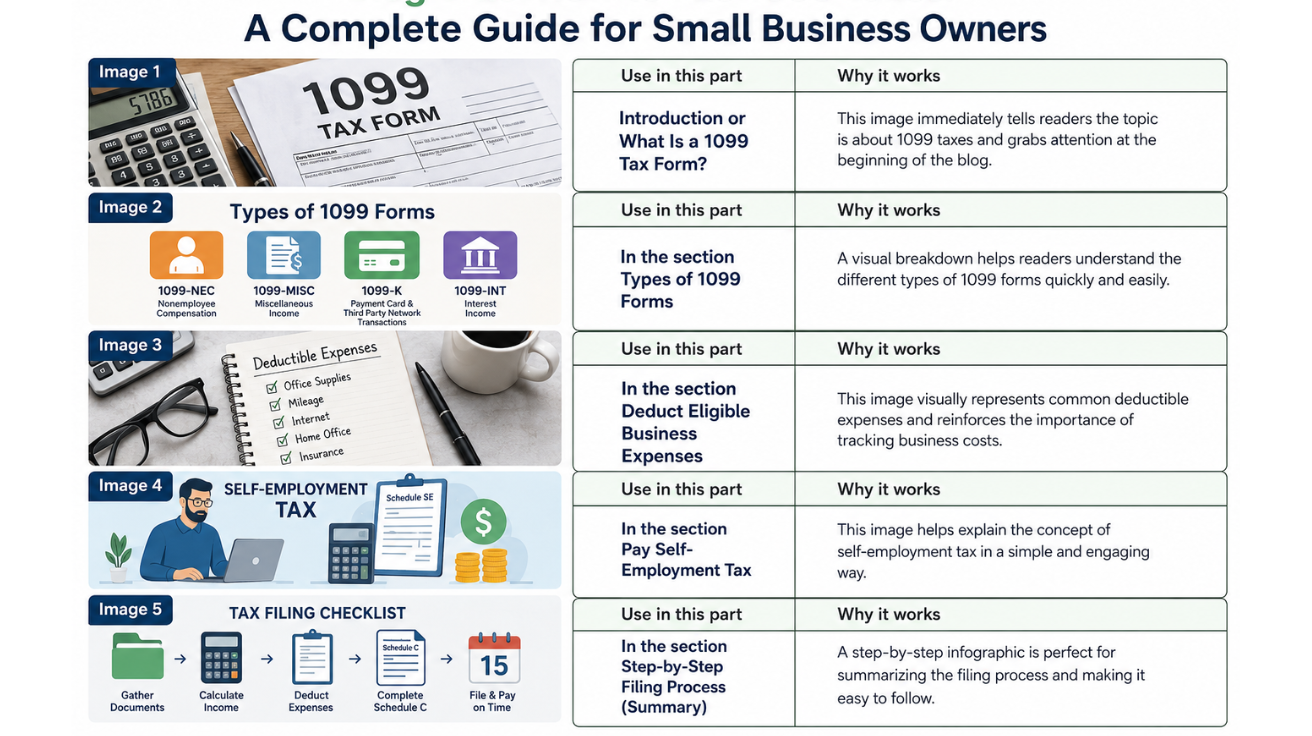
Collect your W-2 (from employers), 1099 forms (freelance, interest, dividends), Social Security statements, and any other income records for the tax year.
- Choose Your Filing Status
Determine if you are filing as Single, Married Filing Jointly, Married Filing Separately, Head of Household, or Qualifying Surviving Spouse. This affects your tax bracket and standard deduction.
- Select: Standard Deduction or Itemize
Most filers take the standard deduction (simpler). If your qualifying expenses — mortgage interest, charitable donations, medical costs — exceed the standard amount, itemizing may save you more.
- File Using Tax Software or a Professional
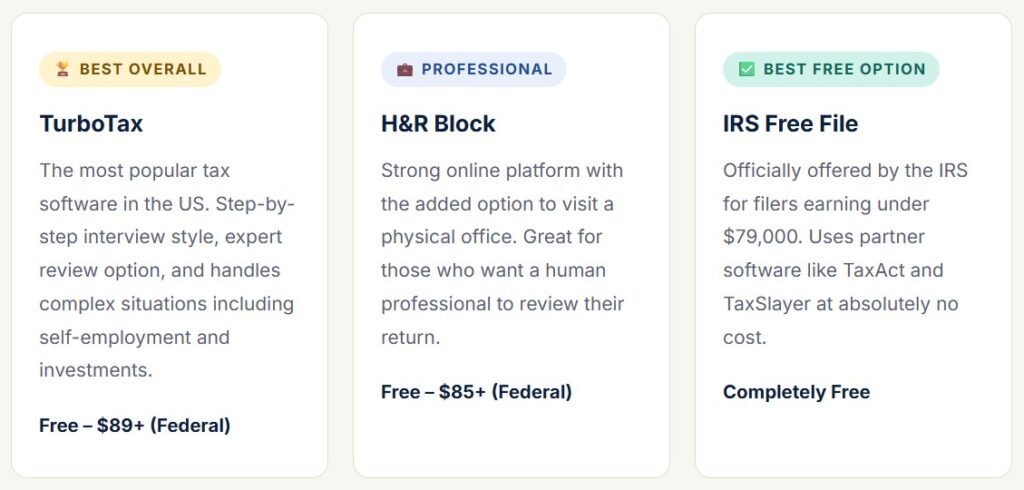
Use IRS Free File, TurboTax, H&R Block, or another platform to complete and submit your return electronically (e-file). E-filing is faster, more accurate, and provides quicker refunds.
- Pay Any Tax Owed or Track Your Refund
If you owe taxes, pay by April 15 to avoid penalties. If you are owed a refund, you can track it via the IRS “Where’s My Refund?” tool — most e-filers receive refunds within 21 days.
Best Tax Filing Software in 2025
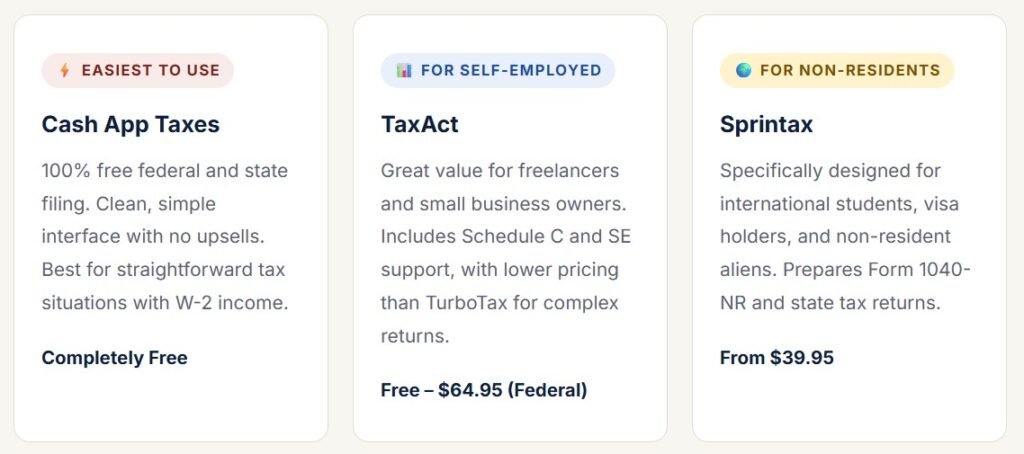
The right tax software can save you hours, reduce errors, and maximize your refund. Here are the most trusted platforms used by millions of Americans:
Which software should you choose?
For simple W-2 income: use Cash App Taxes (free). For self-employed or freelancers: use TurboTax Self-Employed or TaxAct. For non-US citizens on visas: use Sprintax. When in doubt, IRS Free File is always a safe, free starting point.
Common US Tax Filing Problems — And How to Avoid Them
Even well-intentioned filers make costly mistakes. These are the most frequent tax filing problems and what you can do to prevent them:
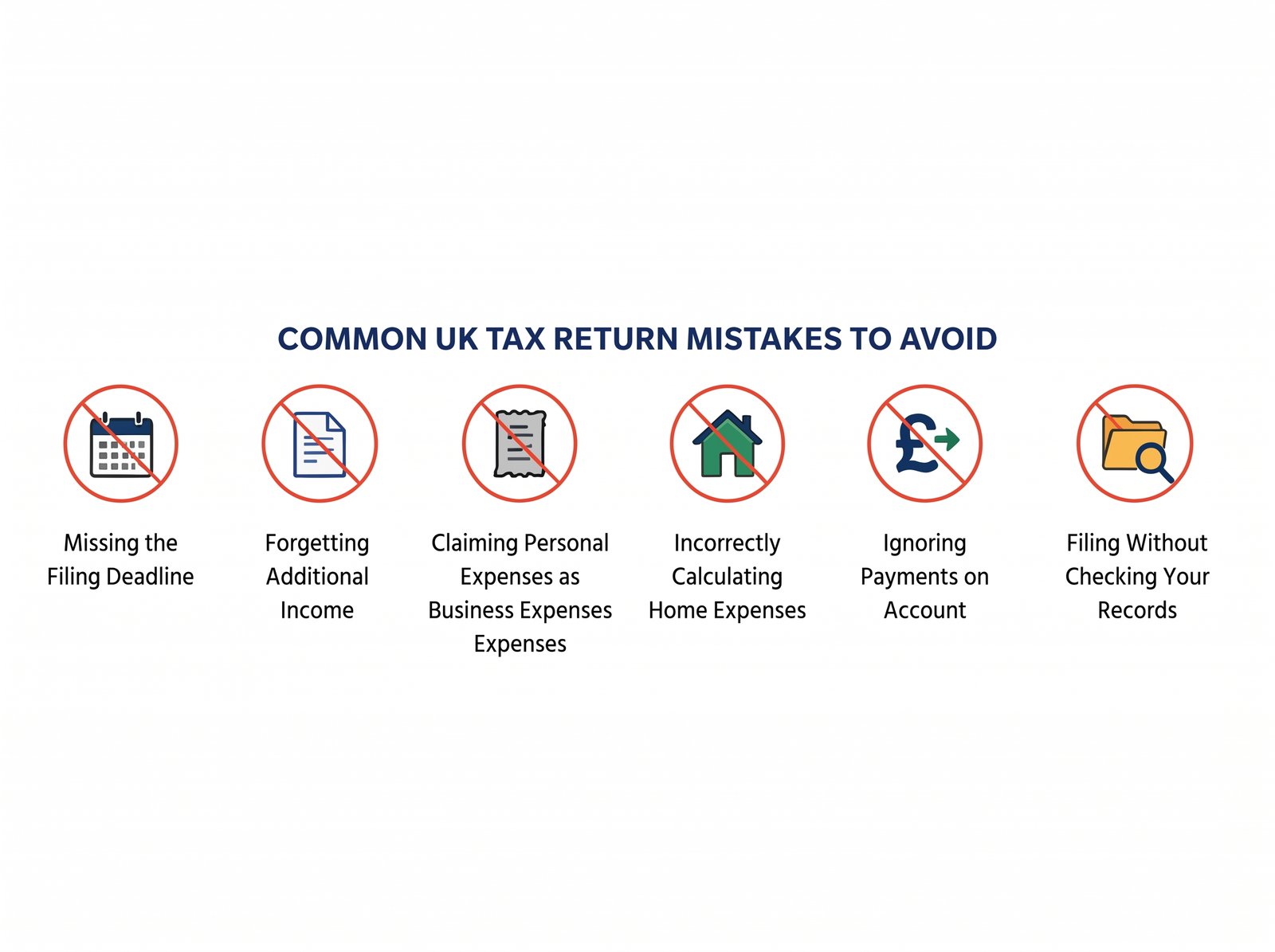
- Filing Late or Not Filing At All
Missing the April 15 deadline triggers an automatic “failure to file” penalty of 5% of unpaid taxes per month (up to 25%). Always file on time — even if you can’t pay, filing avoids the harshest penalties.
- Incorrect Social Security Number (SSN) or ITIN
Entering the wrong SSN for yourself, a spouse, or a dependent is one of the most common e-file rejection reasons. Double-check every number before submitting.
- Missing Income — Especially 1099s
Freelancers, contractors, and side-hustle earners often miss reporting income from platforms like Upwork, Fiverr, PayPal, or Venmo. The IRS receives copies of all 1099s — unreported income triggers audits.
- Choosing the Wrong Filing Status
Your filing status (Single, MFJ, HOH, etc.) dramatically impacts your tax rate and deductions. Choosing incorrectly can mean paying significantly more — or less — than you owe.
- Missing Out on Deductions & Credits
Many filers don’t claim the Earned Income Credit, Child Tax Credit, student loan interest deduction, or home office deduction. These can be worth thousands of dollars in refund money.
- Math Errors & Calculation Mistakes
Manual errors in addition, subtraction, or tax table lookups are surprisingly common and delay refunds. Using tax software with automatic calculations eliminates this risk entirely.
- Not Keeping Records or Receipts
Without documentation, you cannot substantiate deductions during an IRS audit. Keep all tax-related records — receipts, bank statements, donation letters — for at least 3 years after filing.
- Non-Residents Using the Wrong Form
Non-resident aliens (those on student or work visas who fail the green card or substantial presence tests) must use Form 1040-NR, not the standard Form 1040. Using the wrong form invalidates your return.
IRS Audit Triggers
Unusually high deductions, unreported income, excessive business expenses, or round-number figures on your return can flag your account for IRS scrutiny. Always report income honestly and keep supporting documentation for every deduction you claim.
Frequently Asked Questions About US Tax Filing
1. Can I file US taxes for free?
Yes. If your income is below $79,000, you qualify for the IRS Free File program. Cash App Taxes also offers completely free federal and state filing for all income levels with no hidden fees.
2. What happens if I file taxes late?
You will face a failure-to-file penalty (5% per month, up to 25% of unpaid tax) plus interest on unpaid amounts. If you are owed a refund, there is no penalty for filing late — but you have only 3 years to claim it.
3. Do foreigners working in the US have to file taxes?
Yes. If you worked in the US and earned income — regardless of visa type — you are generally required to file. Resident aliens use Form 1040; non-resident aliens use Form 1040-NR. Tax treaties between countries may reduce what you owe.
4. How long does it take to get a tax refund?
E-filers typically receive their refund within 21 days of the IRS accepting the return. Paper filers can wait 6–8 weeks or longer. Direct deposit is the fastest way to receive your refund.
6. What is an ITIN and who needs it?
An Individual Taxpayer Identification Number (ITIN) is issued by the IRS to individuals who are required to file taxes but are not eligible for a Social Security Number — such as undocumented immigrants, certain foreign nationals, and their dependents.
7. Should I hire a tax professional or use software?
For simple returns (W-2 employees with no investments or self-employment), software is fully sufficient and much more affordable. For complex situations — owning a business, rental properties, significant investments, or international income — a Certified Public Accountant (CPA) is worth the cost.
Ready to Master US Tax Filing?
Join our comprehensive US Tax Filing Course and learn everything from the basics to advanced strategies — taught step by step by certified tax professionals.