

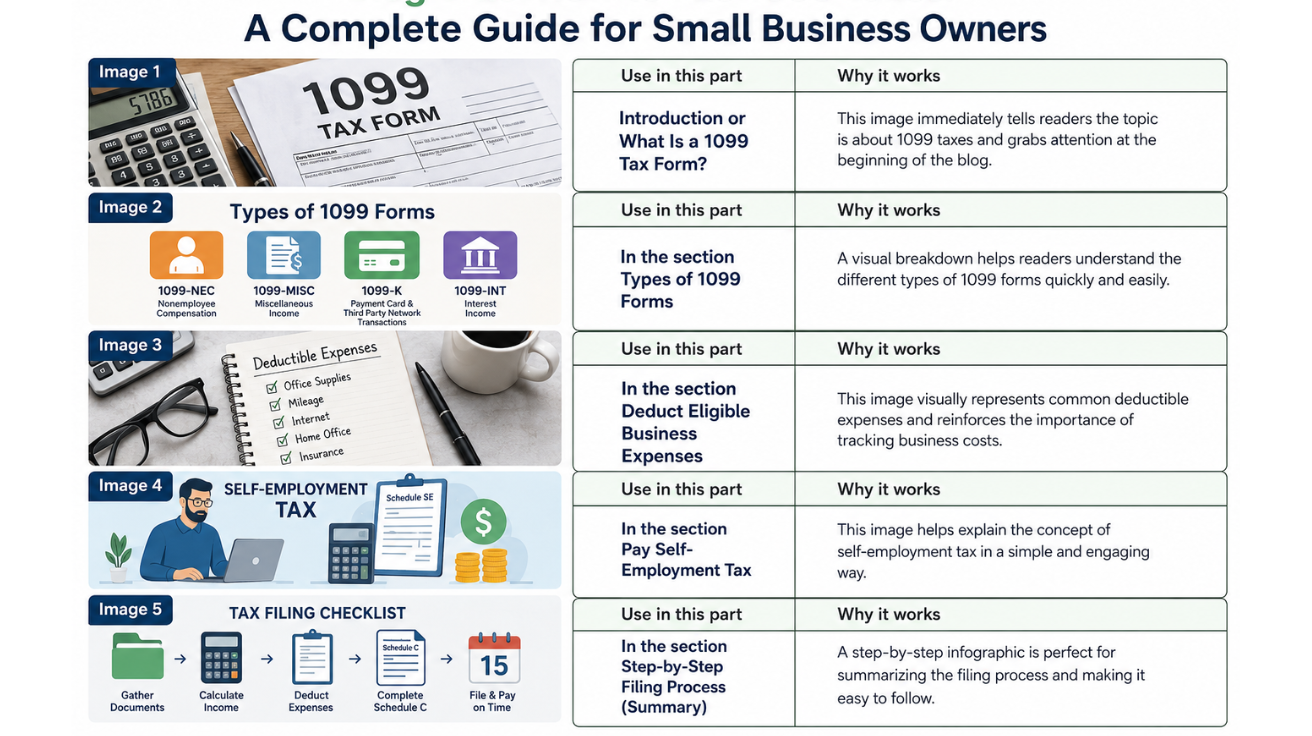


Bookkeeping for Rental Income has become one of the most popular and reliable sources of earnings for individuals and businesses around the world. From residential apartments and commercial properties to short-term rentals like vacation homes, rental income provides a steady cash flow and long-term financial security. However, earning money from rental properties is only one side of the equation. Managing that income properly through accurate accounting and bookkeeping is what truly determines the success and sustainability of a rental business.
Without proper financial records, landlords may face problems such as incorrect tax filings, cash flow issues, and a lack of clarity about whether their rental business is actually profitable. This blog explores what rental income is, the tax implications associated with it, and why accounting and bookkeeping play a critical role in managing rental income effectively.
What is Rental Income?
Rental income refers to the money received from tenants or customers for allowing them to use a property or asset for a specific period of time. This income can come from many different types of rentals, including:
- Residential properties such as houses, apartments, and flats
- Commercial properties such as offices, shops, and warehouses
- Short-term rentals like vacation homes and serviced apartments
- Equipment or vehicle rentals
- Storage units and industrial spaces
Rental income is not limited to just monthly rent payments. It may also include:
- Advance rent payments
- Late payment fees
- Service charges
- Cleaning or maintenance fees charged to tenants
- Parking or utility charges billed separately
In accounting terms, rental income is treated as business income or investment income, depending on how the rental activity is structured. It must be recorded accurately and consistently to show how much money is earned over a period of time.
Rental income may be received in different forms, such as cash, bank transfers, or online payment platforms. For landlords with properties in multiple countries, rental income may also involve multiple currencies. All these factors make proper bookkeeping essential for maintaining a clear financial picture.

Simplify Your Rental Income Accounting
Managing multiple properties and expenses can be overwhelming.
Let experts handle your bookkeeping while you focus on growing your investments.
Get started with Elite Bookkeeping Solution: https://ebookkeepingsolution.com/
What Are the Tax Implications of Rental Income?
Rental income is taxable in most countries. Governments consider rental income as a form of earned income, and property owners are generally required to declare it in their annual tax returns. However, the exact tax rules vary by country, and sometimes even by region.
Some common tax implications of rental income include:
1. Income Tax on Rental Earnings
Bookkeeping for Rental Income is usually added to the owner’s total income and taxed according to the applicable tax slab or business tax rate. This means the more rental income you earn, the higher your potential tax liability can be.
2. Deductible Expenses
Most tax systems allow landlords to deduct certain expenses related to maintaining and running their rental properties. These may include:
- Property maintenance and repairs
- Insurance premiums
- Utility bills paid by the owner
- Property management fees
- Advertising and marketing costs
- Accounting and legal fees
- Depreciation of property or equipment (in some countries)
Accurate bookkeeping ensures that these expenses are recorded properly and can be claimed as deductions, reducing the overall tax burden.
3. Withholding Taxes and Local Taxes
In some regions, rental income may be subject to withholding tax or local municipal taxes. For international property owners, there may also be double taxation issues if income is earned in one country but the owner resides in another.
4. Penalties for Non-Compliance
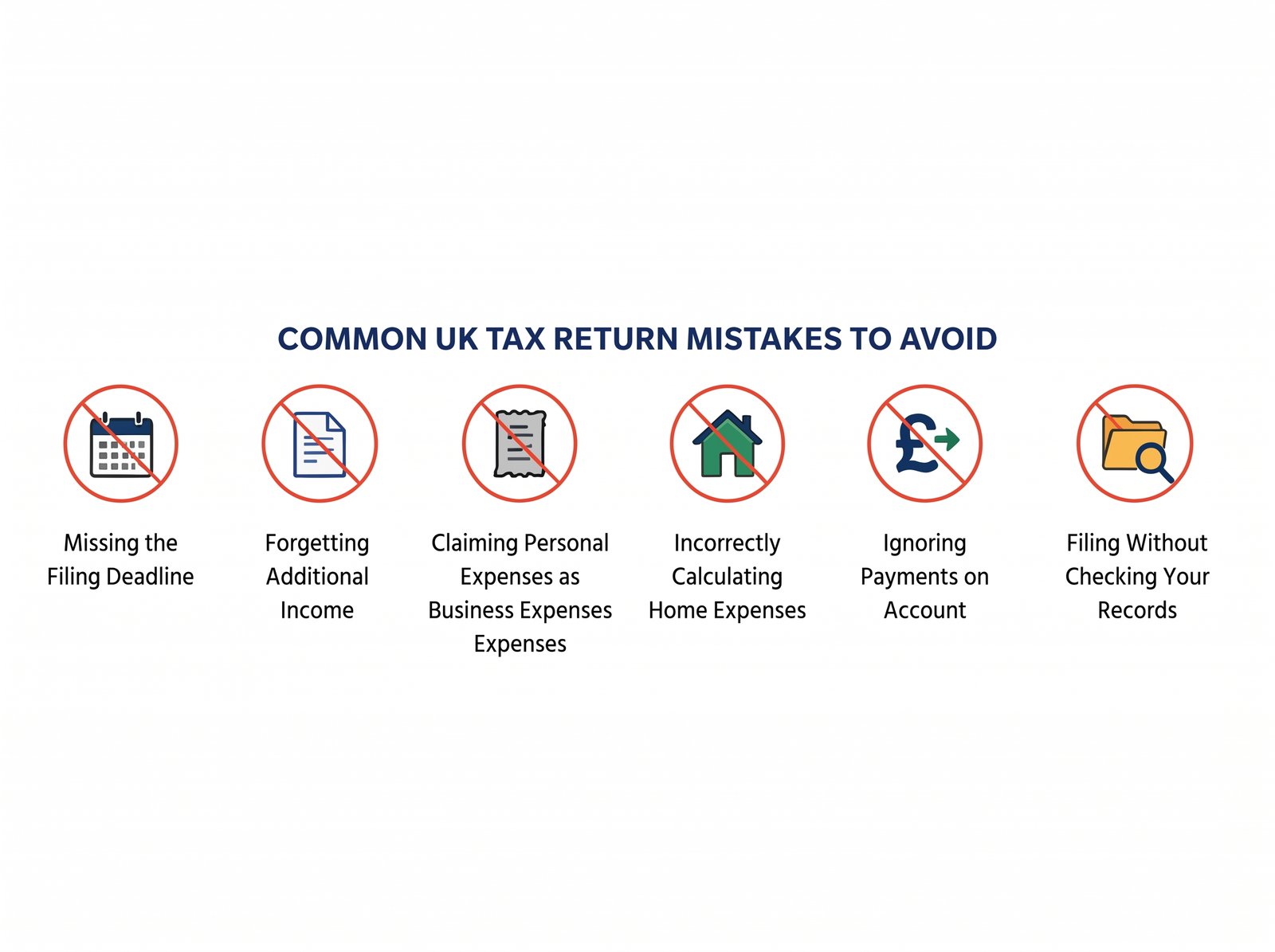
Failure to report rental income correctly can result in fines, penalties, or legal action. Poor record-keeping is one of the main reasons landlords face tax problems. Without clear financial documentation, it becomes difficult to prove income and expenses in case of audits.
Understanding the tax implications of rental income is not just about paying taxes; it is about managing them wisely through structured accounting and bookkeeping
Significance of Accounting and Bookkeeping for Rental Income
Accounting and bookkeeping are the foundation of a successful rental business. They provide clarity, accuracy, and control over financial operations. Let us explore the key reasons why accounting and bookkeeping are so important for rental income management.
1. A Clear Picture of Your Rental Business’s Profitability
One of the biggest benefits of proper bookkeeping is that it shows whether your rental business is truly profitable.
By maintaining accurate records of:
- All rental income received
- All operating expenses
- Loan repayments and interest
- Maintenance and renovation costs
you can calculate your real profit or loss.
Many landlords assume that if rent is coming in regularly, their business must be profitable. However, without proper accounting, hidden costs such as repairs, taxes, and management fees can eat into profits without being noticed. Bookkeeping helps identify:
- Which property generates the most profit
- Which property costs more to maintain
- Whether rent prices need adjustment
- Where unnecessary expenses can be reduced
This financial clarity allows property owners to make smarter decisions about buying, selling, or upgrading properties.
2. Compliance
Compliance refers to following financial and legal rules set by tax authorities and regulatory bodies. Accounting and bookkeeping play a critical role in ensuring compliance.
With organized records, landlords can:
- File tax returns accurately and on time
- Provide financial statements when required
- Respond confidently to audits or inspections
- Maintain transparency with business partners or investors
Compliance also builds trust. If you work with banks, investors, or property management firms, they may ask for financial reports before offering loans or partnerships. Clean and professional books demonstrate reliability and professionalism.
In contrast, poor bookkeeping can lead to:
- Missed tax deadlines
- Underreporting or overreporting income
- Legal penalties
- Loss of credibility
Therefore, compliance is not just a legal requirement; it is a safeguard for your rental business.
3. Annual Accounts Preparation
Annual accounts preparation is one of the most important outcomes of consistent bookkeeping. At the end of every financial year, landlords need to prepare financial statements that summarize their rental business performance.
These typically include:
- Profit and Loss Statement
- Balance Sheet
- Cash Flow Statement
These documents show:
- Total rental income earned
- Total expenses incurred
- Assets owned (properties, equipment, cash)
- Liabilities (loans, mortgages, unpaid bills)
Without proper bookkeeping throughout the year, preparing annual accounts becomes stressful and time-consuming. Landlords may need to go through bank statements and receipts manually, increasing the risk of errors.
On the other hand, when bookkeeping is maintained regularly:
- Annual accounts can be prepared quickly
- Financial data is accurate and reliable
- Tax filing becomes easier
- Business performance can be compared year to year
Annual accounts also help measure growth and identify trends, such as increasing maintenance costs or declining rental income.
4. Financial Planning
Financial planning is about using current financial data to prepare for the future. Accounting and bookkeeping provide the information needed to plan budgets, investments, and savings.
With proper records, landlords can:
- Forecast future income
- Estimate upcoming expenses
- Plan property renovations
- Save for taxes
- Set aside emergency funds
For example, if bookkeeping shows that maintenance costs rise every year, a landlord can plan for a maintenance reserve fund. If income reports show strong profits, the landlord may decide to invest in another property.
Financial planning also helps during uncertain times. Economic changes, tenant vacancies, or unexpected repairs can impact cash flow. Accurate financial records allow landlords to make decisions based on facts rather than assumptions.
Bookkeeping Software Expertise
Our bookkeeping software expertise allows us to deliver accurate, efficient, and modern accounting solutions using the latest cloud-based tools. We work with industry-leading platforms such as QuickBooks, Zoho Books, Wave, NetSuite, Xero, FreshBooks, Odoo, and other advanced accounting systems to manage your financial data securely and effectively.
By leveraging these technologies, we ensure real-time reporting, seamless bank reconciliation, multi-currency support, and easy collaboration. Our team stays updated with new software features and best practices, enabling us to customize solutions based on your business needs. This strong software capability helps businesses maintain organized records, improve financial transparency, and make smarter decisions with confidence.
Conclusion
Accounting and bookkeeping for rental income are not just administrative tasks; they are strategic tools for building a strong and sustainable rental business. Rental income may appear simple on the surface—collect rent and pay expenses—but behind the scenes, it involves complex financial tracking, tax compliance, and long-term planning.
Understanding what Bookkeeping for Rental Income is and how it is taxed is the first step. The next and most crucial step is maintaining accurate financial records. Proper bookkeeping provides a clear picture of profitability, ensures compliance with laws and tax regulations, supports annual accounts preparation, and enables effective financial planning.
Ultimately, a well-managed rental business is not just about owning property—it is about understanding your numbers. When you know exactly where your money comes from and where it goes, you are better prepared to grow, invest, and succeed in the rental market for years to come.